


Heal What Hurts Somatic Community
Here is the truth, everyone gets triggered but few own it and commit to the practices that help us heal.
Real change happens when we learn how to recognize what is happening in the body when we are triggered. When we become capable of staying present with the contracted feelings inside. When we meet ourselves in that state with the loving act of going into the body, instead of the all too human habit of lashing out, numbing out, or checking out.
The Heal What Hurts Foundations Community is a small, intimate coaching and somatic practice community led by Maria Toso. It is for you if you have come to the point in your life where you want to move beyond being tripped up by the contracted state caused by your emotional triggers. You are ready for this work if you recognize that you are caught in a pattern that lands you in triggered dynamics — but you feel powerless in trying to stop it from happening again. And again. Every time these dynamics play out, you feel unloved, unsafe, and like you don’t really matter and belong. The root of it all lies in the energy field of the body and that is where profound healing will take place.
Each Somatic Community Cohort is maximum 6 souls. This allows for safety, intimacy and guarantees that you will receive personal attention from Maria each week.
When you join, you receive four 90-minute live coaching sessions per month + one 2-hour monthly Somatic Embodiment Workshop + Self-Study Practice Library for sustained practice between meetings.
Not sure if the membership is right for you?

You know the feeling…
Something happens. Someone says something, withdraws, criticizes you, disappoints you, misunderstands you, or touches an old wound.
And suddenly you are no longer simply responding to what is happening now.
Your body is activated. Your mind starts racing. You may become angry, defensive, anxious, shut down, reach for something to soothe yourself, or feel an overwhelming need to make the discomfort stop.
In Heal What Hurts, we call these protective responses the three OUTS: lash out, numb out, and check out.
We all have them.
When the intensity of what we are feeling becomes difficult to stay with, we instinctively look for a way out. We may discharge the feeling onto someone else, reach for something that numbs us, or disconnect from what we are feeling altogether.
The deeper work begins when we learn to recognize that moment as it is happening and begin developing the capacity to stay present with what has been activated inside us.
This is where Heal What Hurts begins.


Understanding is important. Practice is what creates change.
Heal What Hurts is not simply something we understand intellectually. We can know where our patterns came from, recognize them when we look back on an experience, and even understand exactly why certain people or situations trigger us.
But in the moment of activation, that understanding can be very difficult to access.
This is why the practice happens in the body.
Again and again, we learn to recognize what is arising, stay present with the energy of a trigger, and meet ourselves with awareness, compassion, and Loving Presence rather than automatically moving into one of the three OUTS.
Over time, we begin to discover that patterns we may have carried for years are not fixed. As we become more able to stay with ourselves when they are activated, something begins to change. There is more space. More awareness. More choice.
We become increasingly able to feel what we feel without immediately having to act it out, numb it, or escape from it.
And this is why ongoing practice matters.
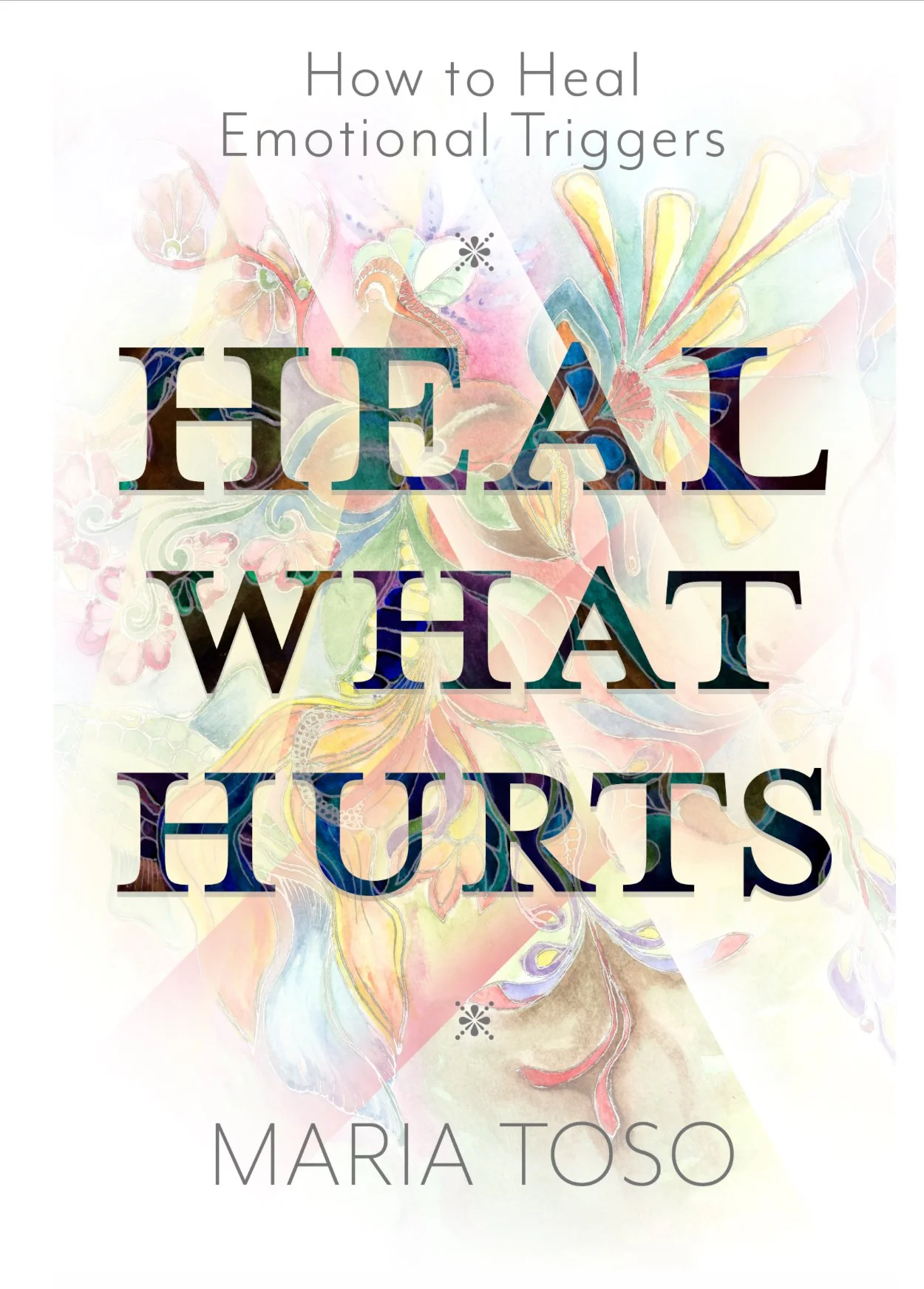
The book can help you understand the process and give you the tools. The Foundations Membership gives you a place to keep practicing them in the midst of your actual life.

Is this practice for you?
Those who are drawn to this work are sincerely committed to applying the Heal What Hurts practices in their own lives. They are willing to look honestly at their patterns, how those patterns were formed, and how they continue to play out in relationships and everyday life.
This is not always easy work, but the potential reward is profound: greater emotional freedom and an increasing ability to observe ourselves and others without being hijacked by old wounds, automatic reactions, and protective patterns.
Each week, we work with different steps and practices from the book, explore what is arising in our lives, and learn how to meet triggered energy directly in the body rather than automatically acting it out.
You will have the opportunity to share what you are working with and, when appropriate, to receive coaching directly from Maria. Sharing and being coached are always optional.
Receiving coaching can be incredibly powerful, but so can witnessing someone else being coached. Again and again, we discover that the things we struggle with are far more universal than we imagined. We all become triggered. We all have protective patterns. We all have places inside us that learned to lash out, numb out, or check out.
As we practice together, much of the shame around being triggered begins to fall away. Instead of judging ourselves for our reactions, we learn to understand what is happening inside us and develop the capacity to meet ourselves with greater compassion, curiosity, and love.
The goal is not to become someone who is never triggered.
The deeper work of Heal What Hurts is becoming increasingly able to remain present with ourselves when we are triggered, care for what has been activated inside us, and choose our response rather than being controlled by an old wound.
Over time, this practice can fundamentally change the way we relate to ourselves, to the people we love, and to the inevitable challenges of being human.
How triggers might feel in the body…
You contract and don’t feel like yourself. The
reaction takes over before you can stop it.
You lash out, trying to discharge the pain through anger, blame, criticism, or control.
You numb out, reaching for food, alcohol, scrolling, shopping, work, television, or anything that helps you not feel what is happening.
You check out, shutting down, withdrawing, going silent, disconnecting, or emotionally disappearing.
You become defensive, feeling an urgent need to explain yourself, prove your point, or justify what you said or did.
You have a hard time separating what actually happened from the story your mind is creating about what happened.
Afterward, you may feel ashamed of how strongly you reacted or, instead, double down and defend why your reaction was justified.
You may try to forget it happened, push it away, or avoid looking too closely at your own behavior.
You may keep it to yourself, not telling anyone because you feel embarrassed, ashamed, or afraid of being judged.
You say or do things you regret afterward, even though in the moment they may have felt completely justified.
You keep repeating the same patterns, even though you understand them and genuinely want to change.
You try to make the feeling go away by getting someone else to change, reassure you, agree with you, apologize, or behave differently.
And in the end, it never really works. The numbing wears off. The other person may not respond the way you hoped. The argument may continue. And the wound is still there.
Here is the truth, everyone gets triggered but few own it and commit to the practices that heal.