


RECOGNIZE THE PATTERN
When the pain becomes unbearable, we look for a way out.
When an emotional trigger activates pain
inside us, our instinct is often to escape
the discomfort as quickly as possible.
We develop familiar strategies to protect
ourselves from feelings we don't know
how to meet.
In Heal What Hurts, I call these
strategies the Three Outs:
Lashing Out, Numbing Out,
and Checking Out.
You may recognize yourself in one,
two, or all three.
Lash Out
When the pain inside becomes someone else's problem.
You argue, defend, criticize, control, or desperately try to make someone understand.
You may feel convinced that if the other person would simply change, apologize, or give you what you need, you could finally relax.
For a moment, expressing your anger may provide relief.
THE HIDDEN COST
Over time, repeated conflict can exhaust your nervous system, damage relationships, and leave you feeling ashamed of your own reactions.
The people you most want to feel close to may begin to pull away.
Numb Out
When feeling nothing seems better than feeling pain.
You reach for food, alcohol, shopping, scrolling, work, or other distractions.
Anything that might quiet the discomfort inside and give you a temporary break from what you're feeling.
For a little while, you may feel better. The pain seems less immediate.
THE HIDDEN COST
When these strategies become habitual, they can create problems of their own.
You may need increasing amounts of distraction or engage in behaviors that compromise your health, finances, and well-being.
Meanwhile, the underlying emotional pain remains unaddressed.
Check Out
When disconnection becomes your way of staying safe.
You withdraw, shut down, detach, or retreat into your thoughts.
You may appear calm, rational, and unaffected, but inside, you've learned to distance yourself from feelings that seem too painful to experience.
Avoiding the emotional intensity may initially feel peaceful.
THE HIDDEN COST
Over time, emotional disconnection can make genuine intimacy increasingly difficult.
When we disconnect from our own emotional experience, it can become harder to connect deeply with others.
We may feel lonely even in the company of people who love us.
All three strategies are attempts to escape emotional pain.
These responses are understandable.
They developed as ways of protecting
us from feelings that seemed too
difficult to bear.
But while escaping our feelings
can provide temporary relief,
it doesn't necessarily resolve
the pain underneath.
Escaping the feeling is not
the same as healing what hurts.
Recognize yourself in these patterns?
You don't have to keep repeating them. There is another way to meet the emotional pain beneath your reactions. Experience what it feels like to turn inward with loving presence.
EXPERIENCE THE FREE HEAL WHAT HURTS PRACTICEGuided meditation and printable four-page practice companion. Free access. No signup required.
HEAL WHAT HURTS · LOVING PRESENCE HEALS
Are You Tired of Being at the Mercy of Your Emotional Triggers?
Have you ever noticed how quickly another person's words, actions, or even silence can change how you feel?
Want personal support? Explore my twelve-week private coaching program and begin with a complimentary 30-minute introductory conversation.
Or begin on your own with the free guided meditation and printable four-page practice companion. No signup required.
First, understand the Three Outs ↓When emotional pain is triggered, our sense of well-being can suddenly depend on what happens around us. We may feel that another person's response determines whether we are safe, loved, or worthy.
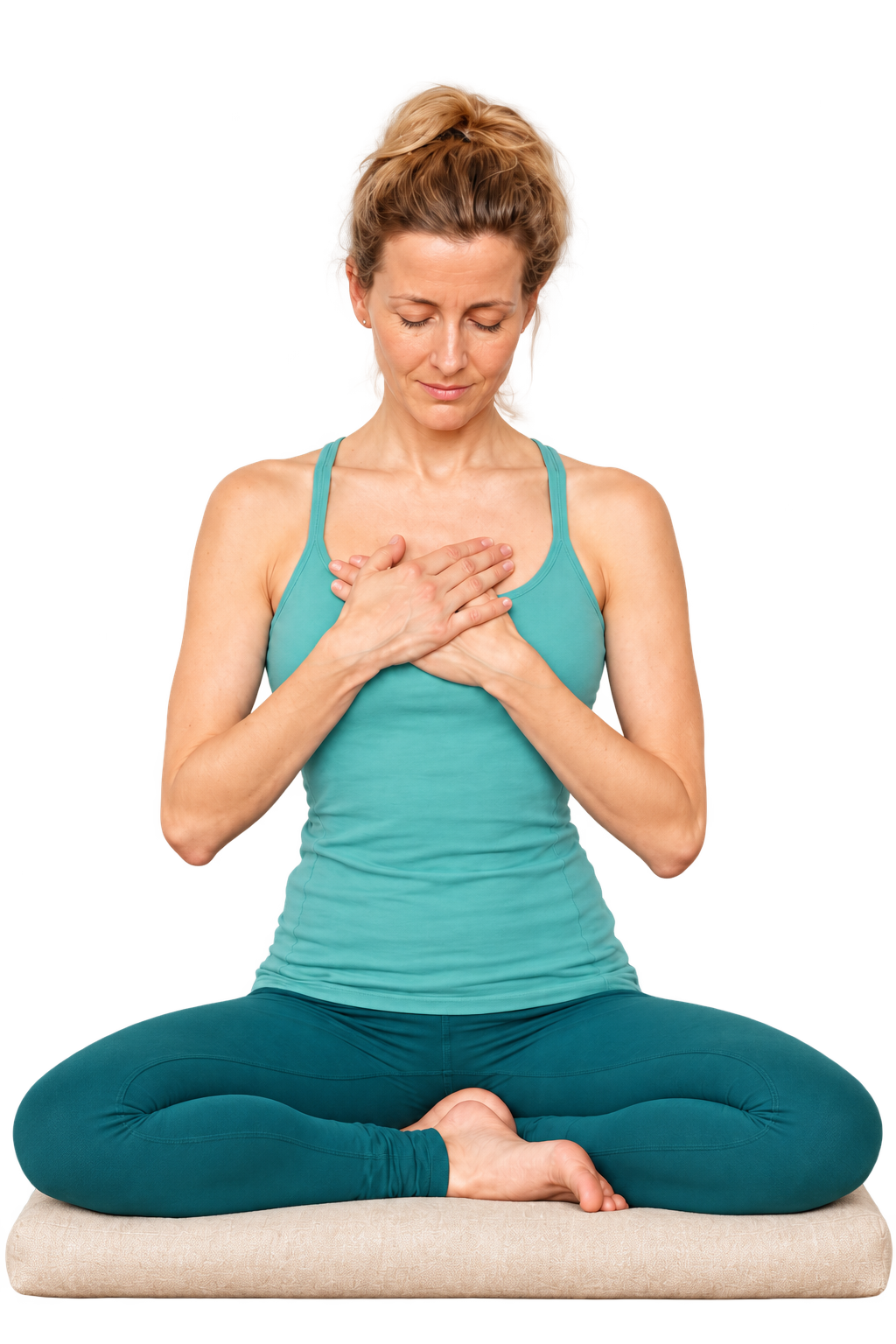
WHEN EMOTIONAL PAIN TAKES OVER
One moment you're fine. The next, everything changes.
A comment, an unanswered message, a look of disapproval, or the feeling of being dismissed sends you spiraling into anxiety, anger, sadness, or insecurity.
Your chest tightens. Your stomach contracts. Your thoughts begin racing. Suddenly, you feel desperate to do something to make the discomfort go away.
Perhaps you need reassurance. Perhaps you become angry and defensive. Perhaps you withdraw, shut down, or reach for something to distract yourself from what you're feeling.
And even when the situation passes, something inside you remains unsettled. It can feel as though the rug might be pulled out from underneath you at any moment.
What if your emotional well-being didn't have to depend on what other people do?
You don't have to spend your life reacting to the world around you. There is another way to meet what hurts, one that begins with learning to become your own loving presence.
UNDERSTAND THE THREE OUTS ↓THE POSSIBILITY OF EMOTIONAL FREEDOM
Imagine becoming your own safe place.
What if you could feel hurt, disappointed, or afraid without losing your connection to yourself? What if you could respond with greater awareness even when another person's words or actions touch something painful?
Loving
Presence
Heals.
Freedom doesn't mean you stop feeling.
Emotional sovereignty isn't becoming indifferent, detached, or impossible to hurt. It means learning to stay present with yourself when difficult feelings arise, so you have more freedom in how you respond.
You can acknowledge disappointment and still express your needs. You can feel anger and choose a healthy boundary. You can care deeply about someone without abandoning yourself to gain their approval.
Loving presence never requires you to accept mistreatment. You can protect yourself, seek support, and change what needs to change while caring compassionately for your inner experience.
IMAGINE WHAT BECOMES POSSIBLE
More room for love, freedom, and joy.
EMOTIONAL SOVEREIGNTY
Not a life without pain. A life where pain doesn't have to determine how you live.
Emotional sovereignty means remembering that your feelings matter, and so do your choices. Through the Heal What Hurts Process, you practice meeting emotional pain with loving presence and gradually building greater trust in yourself.
THE HEAL WHAT HURTS PROCESS
You cannot always think your way out of what you feel.
You may understand why a particular situation hurts. You might recognize the connection to an old experience or have explored the pattern many times before.
Yet when you're triggered again, the familiar physical response may return. Insight is valuable, but emotional pain is also experienced in the body. This is where somatic awareness becomes important.
THE FAMILIAR RESPONSE
The Three Outs
Lashing out, numbing out, and checking out are familiar ways of moving away from emotional discomfort. They may offer temporary relief, but the pain beneath them still needs our attention.
A DIFFERENT RESPONSE
The Way In
The Heal What Hurts Process invites you to pause, notice what is happening in your body, and gently turn toward the experience with loving presence.
You can learn to go in, rather than out.
Turn
Toward
What Hurts.
Your body is part of the story.
An emotional trigger may appear as a tight throat, a contracted chest, or heaviness in the stomach. These sensations are part of your present experience.
Rather than immediately analyzing them or trying to make them disappear, you practice listening and bringing loving awareness to what you feel. Sometimes, a present-day situation echoes an earlier painful experience. Gentle curiosity can help you begin recognizing those connections.
There is no need to force a release or push through overwhelming emotions. You can pause, return to what feels steady, and continue at your own pace.
THE EIGHT-STEP HEAL WHAT HURTS PROCESS
Eight steps. Four movements. One practice of loving presence.
Developed through my personal healing journey and decades of meditation and somatic practice, the Heal What Hurts Process offers a compassionate structure for exploring emotional triggers. Here is an overview of its four paired movements.
-
01–02
Identify the Contraction
Recognize when you're triggered and notice where the emotional experience shows up as tension, discomfort, or contraction in your body.
-
03–04
Turn Toward It
Rather than reaching for one of the Three Outs, gently bring your attention to what hurts and begin meeting it with patience, compassion, and loving presence.
-
05–06
Allow the Pattern to Soften
Give your emotional experience room to move, change, or release in its own time. The invitation is to stay present, not to force a particular result.
-
07–08
Anchor the Shift
Bring what you've discovered into everyday life. Practice responding with more awareness when old triggers arise in your relationships and choices.
These four movements are an overview, not a replacement for the complete eight-step process described in my book. The free guided practice below offers a place to begin experiencing this work for yourself.
What if the moment you usually leave yourself became the moment you return with love?
You don't have to master the process before beginning. My free Heal What Hurts meditation and four-page practice companion offer a gentle way to start recognizing what you feel and meeting yourself with loving presence.
EXPERIENCE THE FREE PRACTICEGuided meditation and printable practice companion. Free access. No signup required.
KEEP PRACTICING
Make Loving Presence Part of Your Everyday Life.
The Heal What Hurts meditation is a place to begin. As you return to loving presence in everyday life, different practices may support you at different times.
Practice with Maria offers a growing collection of guided meditations, yoga classes, and talks. Whether you need a moment of stillness, gentle movement, or a teaching to reflect on, you can choose what supports you and practice at your own pace.
Practice with Maria
Guided Meditations
Gentle Yoga Classes
Talks & Teachings
You don't have to do this alone.
Other ways to continue together.
Heal What Hurts Women's Circle
Join an intimate group of no more than six women for ongoing Heal What Hurts coaching, meditation, and somatic practice. Learn from your own experiences and from the shared humanity of other women. You are always free to participate at your own pace.
EXPLORE THE WOMEN'S CIRCLERead the Book
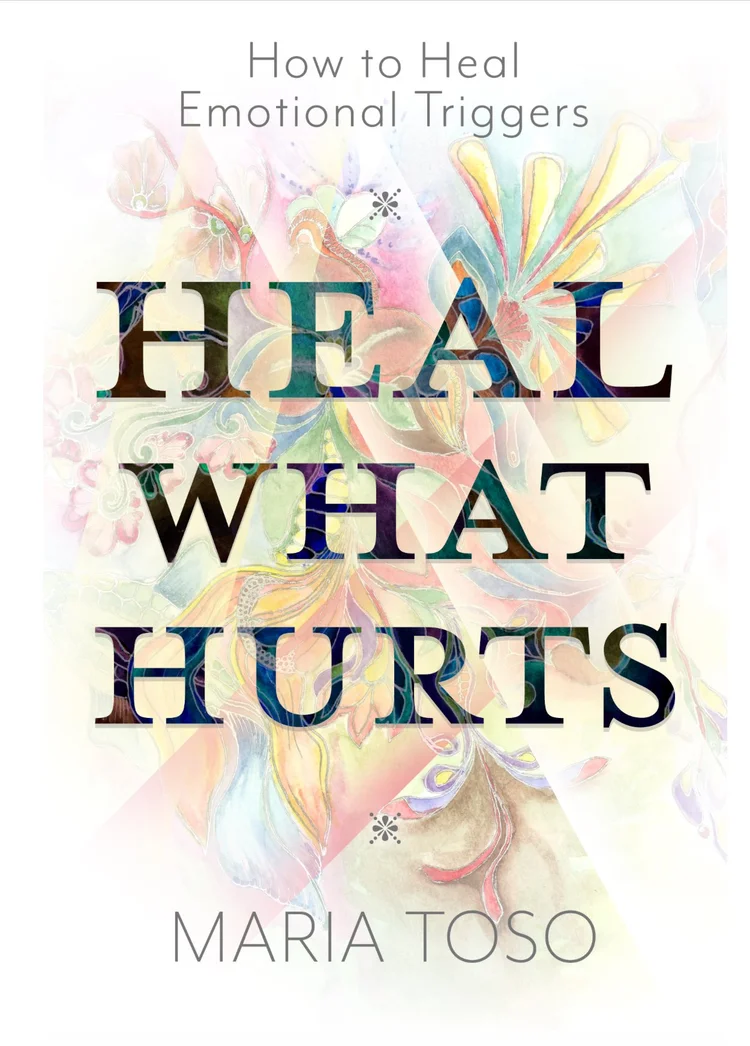
Heal What Hurts: How to Heal Emotional Triggers guides you through the complete eight-step process, with teachings and practices you can return to whenever you need them.
EXPLORE THE BOOKMonthly Nervous System Reset
Take time to unwind through gentle SomaYoga, mindful movement, breathwork, meditation, and guided relaxation. Join Maria live on Zoom, with access to replays.
EXPLORE THE WORKSHOPSYOUR FREE HEAL WHAT HURTS PRACTICE
Don't just read about it. Practice it. Live it.
Begin with the free four-page companion and my guided Heal What Hurts meditation. Both are right here. Download the guide, read page 1, then press play. After listening, use pages 2–4 to reflect on what you noticed.
STEP ONE · DOWNLOAD
Your Practice Companion
Your free PDF is a gentle guide to the practice. You can print it or keep it open on your device. There is no signup required.
Pages 2–4: Reflection pages to use afterward.
Opens in a new tab. Read page 1 before listening; save the writing prompts for afterward.
Ready? Go to the meditation →STEP TWO · LISTEN
Heal What Hurts Guided Meditation
Set the writing aside and let yourself be guided. Notice your body's sensations and meet what arises with loving presence. You don't need to take notes.
Choose a quiet, supportive space. You may pause or stop the meditation whenever you need to.
Before you begin
Find a quiet space
Choose somewhere comfortable and uninterrupted, where you can feel safe to let emotions arise.
Give yourself permission to feel
Tears or tenderness may come. Allow your experience without trying to make anything happen.
Let go of expectations
There is no correct experience. You don't have to find a memory or feel a release.
Honor your own pace
If you feel overwhelmed, open your eyes, notice your surroundings, feel your feet on the floor, or stop.
STEP THREE · REFLECT & RETURN
Put words to what you noticed.
After listening, return to pages 2–4 of your companion. Reflect on what you noticed at the beginning of the meditation, what arose naturally, and how you responded to those sensations with loving presence. Nothing needs to have changed.
Write only what feels useful. You don't have to answer every question or search for a memory. As the practice becomes familiar, you can use the guide on page 1 to practice independently, and return to the meditation whenever you would like support.
Every moment of loving presence is an opportunity to come home to yourself.
You don't have to resolve everything in one meditation. You can return to yourself with patience and compassion, again and again.