

HEAL WHAT HURTS
FOUNDATIONS
6-Week Course

Heal the emotional patterns that keep repeating in your closest relationships.
If you find yourself:
• Overreacting, shutting down, or pulling away in relationships
• Feeling hurt, misunderstood, or emotionally unsafe
• Replaying the same relational dynamics again and again
• Knowing what you should do, but feeling unable to do it in the moment
This is not a relationship problem.
It’s a nervous system and emotional imprinting problem.
What This 6-Week Program Is
This foundational course teaches the core principles and practices of the Heal What Hurts method, with a primary focus on relationships.
You’ll learn how emotional triggers form, how they live in the body, and how to meet them with presence instead of reacting through:
• Lashing out
• Numbing out
• Checking out
This is where real change begins.
What You’ll Learn
Over six weeks, we focus on:
• Understanding emotional triggers in relationships
• Recognizing your personal “outs” under stress
• Learning to stay present with emotional contraction
• Breathing, somatic awareness, and gentle inquiry
• Interrupting old relational patterns in real time
• Responding from clarity instead of reactivity
This course is experiential, embodied, and relationally focused.
Who This Is For
This program is for you if:
• Relationships are where you feel the most pain or confusion
• You want emotional healing without blaming yourself or others
• You’re ready to work with the body, not just the mind
• You want a grounded, compassionate path forward
What This Is Not
• Not couples therapy
• Not advice-based coaching
• Not surface-level mindset work
This is deep, somatic, nervous-system-based healing.
Format
• 6 weeks of live group sessions
• Guided somatic practices, breathwork, and inquiry
• A supportive healing circle
• Practical tools you can use immediately
This is the foundation.
For many, it is life-changing on its own.
For others, it becomes the doorway into deeper work.
👉 Join the 6-Week Heal What Hurts: Relationships Program
WHAT participation looks like
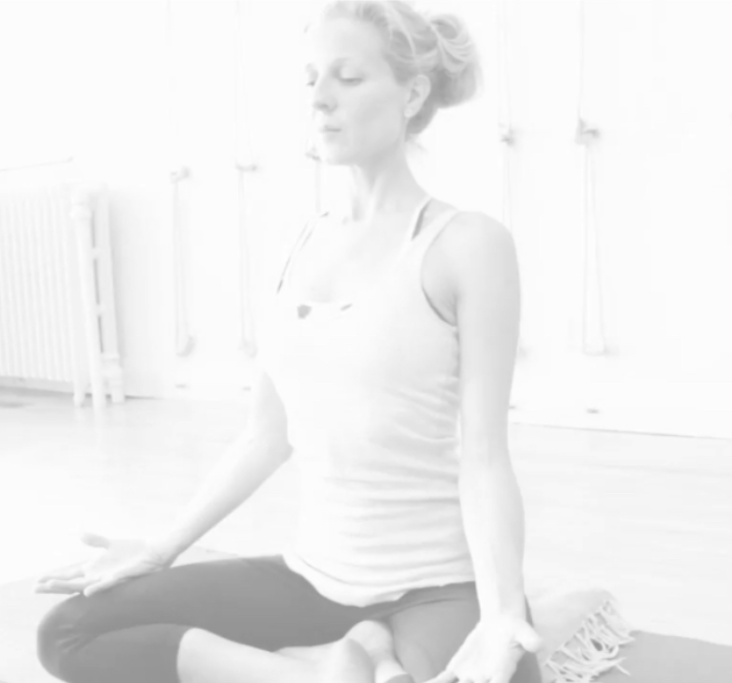
In a group setting, we create a shared field of presence that supports each person in noticing and meeting areas of contraction in the body.
Working in community often makes this process easier. You’ll learn that there is no shame in having emotional triggers or physical tension — these responses are human. The work is not about eliminating them, but about learning how to meet them with awareness and care.
Participation does not require sharing personal stories. You’re invited to engage at your own pace, practicing presence and listening to your body in a way that feels manageable and respectful.
Which Course Should I Take?
Choose the 6-week Foundations course if you:
are new to Heal What Hurts
want the fundamental principles and practices
notice most constriction in relationships
Choose the 12-week Integration course if you:
already understand the basics
want to apply the work across your whole life
feel constriction in areas like work, money, creativity, voice, or vision
Private Coaching
Private coaching is available for those seeking additional one-on-one support, but is not required to benefit deeply from the group courses. Those enrolled in group courses receive reduced rates.
If you’re unsure where to begin, the 6-week Foundations course is the best place to start.

THE BOOK
Heal What Hurts
How to Heal Emotional Triggers
Published by Lewellyn Worldwide September 2025
The Heal What Hurts book shares the heart of this process through personal stories, spiritual reflections, and body-based practices. Each chapter includes experiential exercises, guided meditations, and journaling prompts designed to help you reconnect with your inner knowing.
This book will meet you where you are and guide you gently inward.
FAQs
-
Healing isn’t a destination—it’s a way of life. The deeper truth is that this process is a journey of reunion: with your own soul, your own heart, and the Divine within. Over time, you become your own best friend in your hour of need. You’ll no longer search for emotional rescue outside yourself, because you’ll know how to walk with God through your pain. That is the freedom—the peace—that no one can take from you.
-
Sometimes they are. The Heal What Hurts process isn’t about spiritual bypassing or blaming yourself for someone else’s harmful behavior. But it is about understanding: Why were you drawn into that dynamic? What wound or story made it feel familiar—or even necessary? If you don’t bring consciousness to that pattern, it’s easy to end up in a new version of the same painful spiral. This process helps you see clearly, so you can choose differently—and ultimately walk away, not from anger, but from alignment.
-
Yes—and your willingness to even ask this question is a beautiful place to start. The Heal What Hurts process is rooted in awareness, especially embodied awareness. It’s about learning to gently locate where old knots of pain live in your body—the places you’ve tucked away grief, fear, heartbreak, and shame. Numbing agents—whether it’s food, scrolling, alcohol, or overworking—make it harder to feel those places, which makes them harder to heal. But here’s the grace: you don’t have to be perfect. You just have to be honest. Even if you’re still using something to cope, the process will meet you where you are. Over time, as you build trust with your inner world, the need to numb naturally begins to loosen its grip. You realize that what you were trying to avoid is actually the doorway to your freedom.
-
Item descAffirmations can be beautiful—but if you’re layering them on top of unresolved pain, they can become spiritual wallpaper. The Heal What Hurts process doesn’t ask you to override your pain with positive thinking. It invites you to meet your pain with presence, listen to its message, and bring it into the light of Divine love. From that place of embodied healing, your thoughts begin to shift naturally—because your truth has shifted, not just your words.ription
-
Not at all. But many people find that as they engage with the process, a deeper sense of connection—whether to God, Source, Love, or their own soul—begins to emerge. This isn’t about dogma. It’s about learning to trust the quiet wisdom inside you, and to feel held by something greater as you navigate the terrain of your own healing. In that way, it often becomes a spiritual path, even if it didn’t start out that way.